What exactly are phthalates?
Phthalates are chemicals used in the manufacturing of plastics. They are commonly used to make plastics more flexible and therefore less likely to break. Notably, they are used to soften polyvinyl chloride (PVC), one of the most common synthetic plastics. According to the Center for Disease Control, they are found in “hundreds of products, such as vinyl flooring, adhesives, detergents, lubricating oils, automotive plastics, plastic clothes (raincoats), and personal-care products (soaps, shampoos, hair sprays, and nail polishes)” (http://www.cdc.gov/biomonitoring/phthalates_factsheet.html). Phthalates can also be found in food packaging. In fact, what we consume appears to be the biggest contributor to our phthalate exposure due to its contact with containers made with plastic treated with phthalates.
Why should you be concerned?
Researchers have found a potential link between phthalate exposure and a disruption in male reproductive development due to its effect on the endocrine system. Studies have also suggested a link between phthalate exposure and breast cancer, increased risk of developing asthma, early puberty in females, fertility issues and miscarriages, and childhood obesity. Interuterine exposure to phthalates may also be linked to mental deficiencies, poor motor development, and behavioral issues in young children. Phthalates have been banned in children’s toys produced in the U.S., however, they are still found in countless products children come into contact, and can also be found in imported toys. Not only does phthalate exposure occur through direct contact, such as eating food stored in a plastic container or using lotion that contains phthalates, it can also occur by breathing in air that contains phthalate particles. Have you ever walked into a bathroom with a new vinyl shower curtain and smelled that distinct odor? Part of that odor can be attributed to phthalate treatment.
How can you avoid them?
Avoid products that contain PVC. Products marked with recycling codes with the number “3” contain PVC and should be avoided. Look for products packaged in glass or non-PVC plastics instead. Heating PVC plastics increases the release of these chemicals, so take care to not place them in the microwave. This is a particular concern with prepackaged meals that are designed to be heated in the packaging. Avoid these meals by choosing fresh foods or remove from the packaging before heating.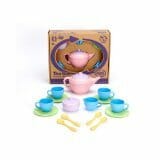
Choose toys and baby/child products made from polypropylene or polyethylene instead of plastic, make sure products are labeled as phthalate-free, or purchase toys made from natural materials instead. Many manufacturers have pledged to not use phthalates in their products or packaging. Similarly, avoid beauty, cosmetic, and any home products (vinyl flooring, vinyl shower curtains, vinyl plastic wrap) that contain phthalates. Make sure to check labels or conduct your own research before purchasing a product to ensure it is phthalate-free.
Detergents and fabric softeners often contain phthalates. Choose all-natural detergents or make your own. Consider switching to wool dryer balls and ditching dryer sheets and fabric softeners. Household cleaners, particularly those with added fragrances, contain phthalates; however, there are many green cleaning products available on the market such that these can be avoided.
What else can be done?
Write companies and ask that they discontinue the use of phthalates in their products. Educate yourself on which products are currently safe to use. Better yet, let your money do the talking and purchase from manufacturers who have already made this commitment!
Do you already avoid products containing phthalates?
Sources:
*This post does contain affiliate links. Thank you for supporting my work at home mom owned business.
I’m Julie, a former cloth diaper retailer who discovered a passion for the industry. Now, instead of selling cloth diapers, I advocate them and promote small businesses I love who sell and manufacture them.
I’m the wife of a fireman and mother of three. I have a daughter and identical twin sons.